There is nothing quite as rewarding as stepping into your own backyard greenhouse on a crisp spring morning, the scent of damp earth and fresh greenery greeting you. However, as the season progresses and the sun intensifies, that cozy sanctuary can quickly transform into a botanical pressure cooker. If you have ever walked into your greenhouse only to find your prize-winning tomatoes wilting and your seedlings scorched, you know exactly how devastating heat stress can be.
Overheating is the number one cause of crop failure in small-scale setups. When temperatures climb above 90°F, many plants enter a state of dormancy or heat stress, halting growth and potentially leading to permanent damage. The good news? Managing your greenhouse climate doesn't require an industrial HVAC system. By understanding the physics of your structure—specifically how light enters and how air escapes—you can maintain a perfect, stable environment. Whether you are dealing with polycarbonate panels or a simple film covering, this guide will walk you through the essential strategies to keep your plants cool, happy, and thriving throughout the hottest months of the year.
Root Causes of Greenhouse Overheating
To fix the problem, you must first understand why it happens. Greenhouses work on the principle of the "Greenhouse Effect," where short-wave solar radiation enters through the transparent skin, heats the interior surfaces, and is then trapped as long-wave thermal radiation.
- Poor Ventilation: If there is no path for hot air to rise and escape, the greenhouse becomes a sealed heat trap.
- Lack of Air Movement: Stagnant air creates "hot spots" where moisture and heat accumulate around delicate leaves.
- Excessive Solar Gain: During the height of summer, the sheer volume of sunlight hitting your greenhouse can exceed what your plants actually need.
- Thermal Mass Issues: Dark flooring or heavy pots can absorb heat all day and release it at night, preventing the greenhouse from cooling down even after the sun goes down.

Step-by-Step Diagnosis: Is Your Greenhouse Too Hot?
Before you overhaul your ventilation system, confirm that heat is indeed the culprit.
- Monitor with Precision: Don't rely on guesswork. Place a high-quality digital hygrometer at plant level to track both temperature and humidity.
- Observe Plant Behavior: Look for "leaf rolling" or scorched, brown edges on your plants. These are classic signs of heat stress.
- Check Airflow: On a windless day, light a small piece of incense near your vents. If the smoke lingers rather than moving toward an exit, your passive airflow is insufficient.


Proven Solutions to Prevent Overheating
Implementing these methods will help you stabilize your internal climate effectively.
1. Installation of Automated Roof Vents
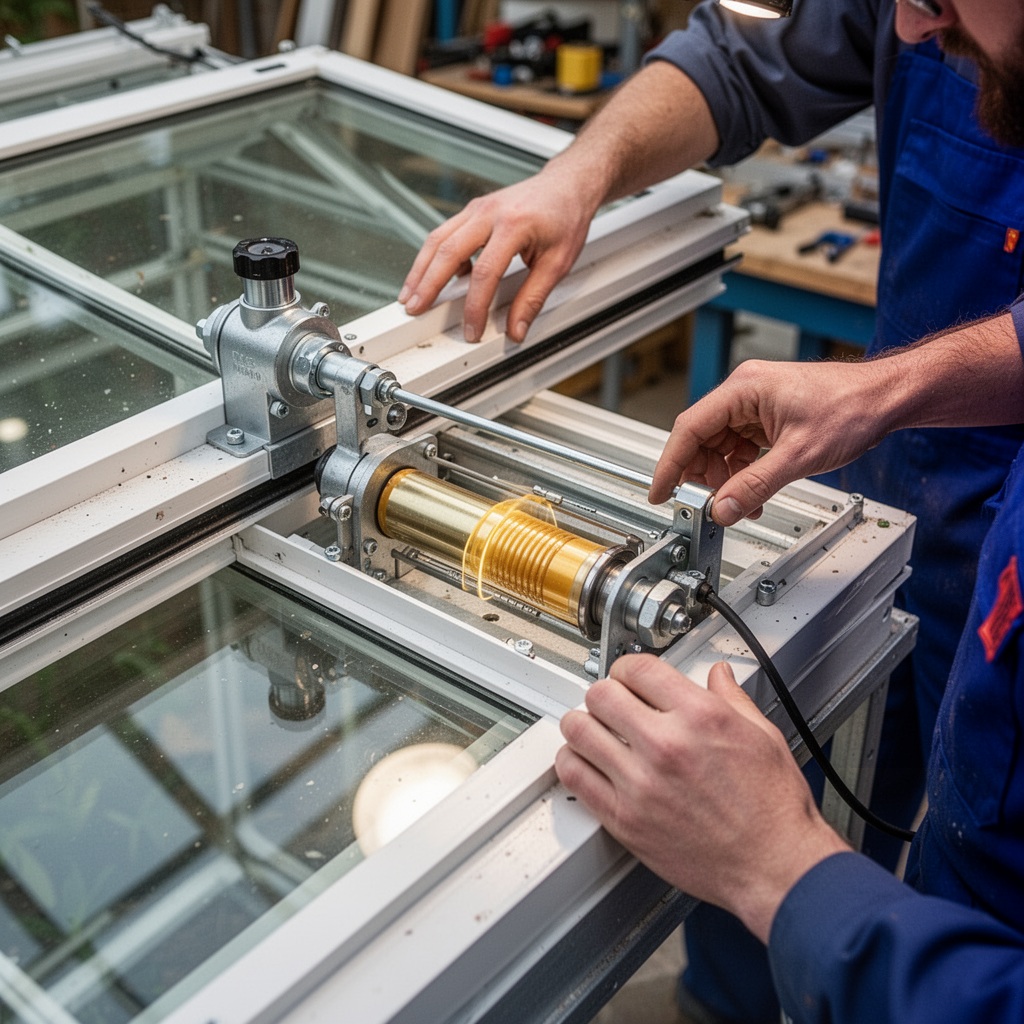
Heat rises. By installing vents in the highest point of your roof, you allow the hottest air to escape naturally. Using an automatic vent opener is the gold standard here; these wax-cylinder devices expand as it gets hot, pushing the window open without needing any electricity.
2. Shading and Reflective Materials
Blocking a portion of the incoming sunlight is one of the most effective ways to lower temperatures by 10-15 degrees.
- Shade Cloth: Use a 30% to 50% density shade cloth. This allows enough light for photosynthesis but cuts down on the infrared heat radiation.
- Whitewash: For glasshouses, a temporary liquid shade paint can be applied to the exterior and washed off in the fall.

3. Active Air Movement
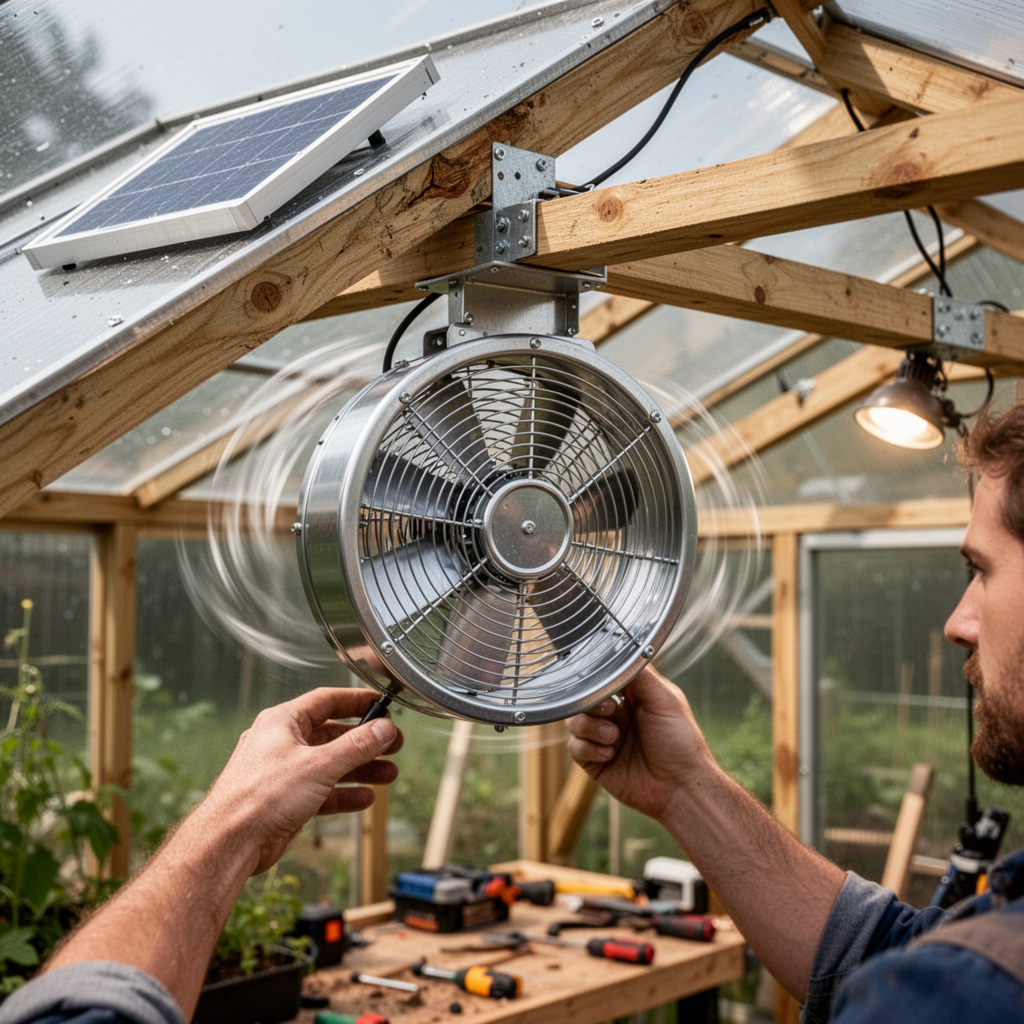
Even with vents open, you need to push the air around. Small solar-powered circulating fans are excellent for this, as they prevent air stratification and keep the humidity levels balanced.
Buying Guide: What to Look For
When selecting climate control accessories, keep these factors in mind:
- Durability: Greenhouse environments are humid. Look for powder-coated steel or UV-resistant plastic housings.
- Power Source: If your greenhouse is far from the house, choose solar-powered equipment to avoid running dangerous extension cords through the yard.
- Ease of Maintenance: Ensure vents and fans are easy to access for cleaning, as dust and debris can clog motors and hinges.
Top Options by Budget
- Budget: Simple manual vent kits and shade netting clips.
- Mid-Range: Wax-cylinder automatic openers and solar-powered circulation fans.
- Premium: Smart thermostats that control automated shutters, irrigation misting systems, and multi-speed exhaust fans.

Beginner Tips & Common Mistakes
- Mistake 1: Relying on misting alone. Misting cools through evaporation, but if your greenhouse is already humid, it just creates a "sauna" effect that invites fungal diseases. Always combine misting with cross-ventilation.
- Mistake 2: Ignoring night-time temps. Don't seal your greenhouse up too tight at night if the outside temperature is still warm. Allow for some airflow to prevent "heat soak."
- Tip: Paint your greenhouse floor a lighter color (like white gravel) to reflect heat rather than absorbing it.
- Tip: Water your plants early in the morning. This ensures they are fully hydrated before the heat of the day strikes.
FAQ: Preventing Greenhouse Overheating
1. At what temperature should I start venting my greenhouse? Most cool-season crops prefer 65-75°F. Start opening your vents when the internal temperature hits 75°F.
2. Can I just leave the door open? Leaving the door open is a start, but it creates a "tunnel" effect that doesn't effectively clear hot air from the rafters. Roof vents are much more efficient.
3. Does shade cloth hurt plant growth? Not if used correctly. High-intensity light can actually damage chlorophyll. Shade cloth mimics the natural filtered light found in forest understories.
4. How often should I check my ventilation system? Check your vent hinges and fans every two weeks during the growing season. Dust can cause fans to burn out prematurely.
5. Is a misting system worth the investment? In arid climates (like Arizona or Nevada), a misting system is essential. In humid areas, focus on airflow instead.
6. Do I need electricity in my greenhouse? While not strictly required, a low-voltage solar setup can power fans and sensors, making your life significantly easier.
7. Can I use reflective foil to keep it cool? Avoid reflective foil inside the greenhouse, as it can create "hot spots" by focusing intense light beams onto specific plant leaves, causing burns.
8. What is the most common sign of heat failure? The most common sign is mid-day wilting despite the soil being moist. The plant is losing water through its leaves faster than it can pull it from the roots.
[IMAGE_PROMPT: Blueprint diagram showing the technical layout of the project, including placement of roof vents at the apex, circulation fans at the corners, and an exterior solar panel connection.]
Safety Tips
- Electrical Safety: If using grid-powered fans, ensure all electrical connections are GFCI-protected and rated for outdoor use. Never let extension cords lie in water.
- Sharp Edges: Greenhouse panels can be sharp, especially if polycarbonate is cracked. Wear gloves when installing vents or fans.
- Heat Exhaustion: When working inside a hot greenhouse, stay hydrated and take frequent breaks in the shade.
Conclusion
Preventing overheating in a small backyard greenhouse is essentially about managing airflow and light intensity. By installing automatic ventilation, utilizing shade cloth, and ensuring consistent air circulation, you create an environment where your plants aren't just surviving the summer—they are thriving in it. Remember that the best greenhouse gardeners are those who observe closely and act early. Start by monitoring your temperature trends today, and you will quickly see which of these solutions will make the biggest impact on your specific setup. Don't let a heatwave ruin your harvest; invest in a cooling strategy now, and enjoy the peace of mind that comes with a perfectly managed greenhouse garden. Your plants will thank you with a bountiful, healthy harvest!