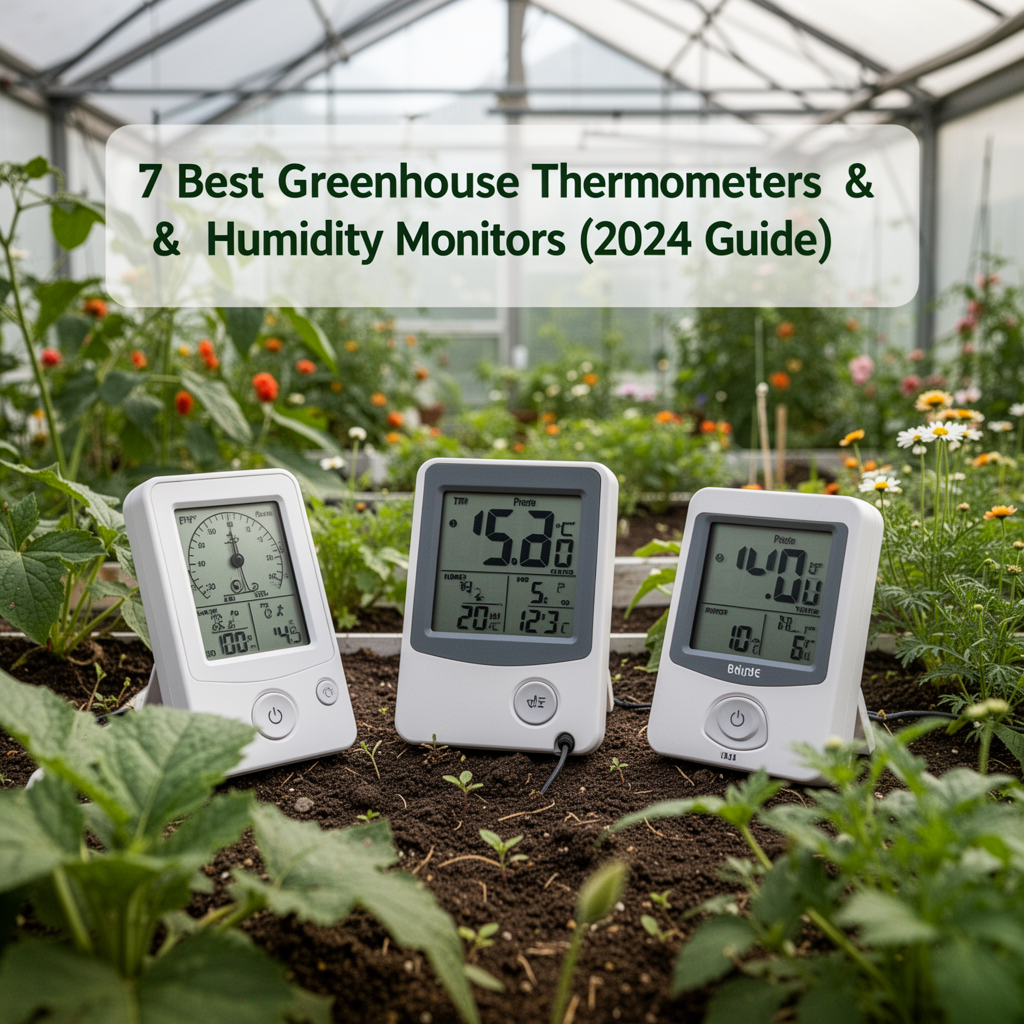
Living in a dry climate like the American Southwest or high-altitude regions presents a unique set of challenges for greenhouse enthusiasts. While you might have plenty of sunlight, the parched air can turn your lush paradise into a brittle, brown-leafed struggle. If your plants are curling, dropping buds, or succumbing to spider mites, you aren't alone; low humidity is often the silent killer of greenhouse productivity.
When the air is too dry, plants lose moisture through their leaves—a process called transpiration—faster than they can pull it up from the roots. To create the perfect oasis, you must strike a balance between ventilation and moisture retention. In this guide, we will walk you through the science of humidity, the most effective tools to use, and how to calibrate your setup for optimal growth. Whether you are growing delicate tropical orchids or robust heirloom tomatoes, mastering your local environment is the first step toward a harvest that thrives, not just survives. Let’s dive into how to turn that arid environment into a thriving micro-climate.
Root Causes of Low Greenhouse Humidity
Before applying a fix, it is vital to understand why your humidity levels are dropping. In dry climates, the external atmosphere constantly tries to "equalize" with the interior of your greenhouse.
Understanding Vapor Pressure Deficit (VPD)
Vapor Pressure Deficit (VPD) is the difference between how much moisture the air can hold and how much it currently is holding. High VPD means the air is thirsty and will suck the moisture right out of your plants.
- High Solar Gain: Intense sun heats up the greenhouse structure, rapidly lowering relative humidity.
- Excessive Ventilation: While airflow is good, if your intake fans are pulling in bone-dry outside air, you are essentially dehumidifying your space.
- Lack of Evaporative Surface Area: If your floor is dry concrete or gravel, you lack the passive evaporation necessary to stabilize moisture levels.

Step-by-Step Diagnosis
Before purchasing equipment, you need to verify your data.
- Monitor Baseline Data: Place a high-quality digital hygrometer in three distinct areas of the greenhouse: near the intake, in the center, and near the exhaust.
- Evaluate Time of Day: Check levels at high noon versus midnight. The gap will tell you if the issue is solar-driven or climate-driven.
- Check Irrigation Efficiency: Inspect your watering system. Are you watering the soil or the leaves? If the soil surface dries out too quickly, you are missing a primary source of ambient humidity.

Proven Solutions to Boost Greenhouse Humidity
1. The Power of Misting Systems
For arid climates, a high-pressure misting system is the gold standard. Unlike standard sprayers, these produce microscopic droplets that evaporate almost instantly, cooling the air and raising humidity without soaking the foliage and inviting fungal diseases.
- Tool Needed: High-Pressure Misting Kit
- Process: Install the nozzles along the rafters of the greenhouse. Connect to a timer to ensure periodic bursts of mist during the hottest hours.

2. Evaporative Cooling (The Wet Wall Method)
If you are dealing with extreme heat alongside dryness, a wet wall is your best friend. This involves drawing air through a water-saturated cooling pad. As the air passes through, it cools down and picks up moisture.
- Tool Needed: Cellulose Cooling Pads and Circulation Pump
- Process: Mount the pads on the side where your intake fans are located.

3. Passive Humidity Mats and Floor Dampening
For smaller setups, never underestimate the power of surface area. Keeping your flooring moist is the easiest way to buffer humidity.
- Materials: Hydroponic humidity trays or porous ground cover.
- Process: Fill trays with gravel and a small amount of water to allow for steady, controlled evaporation.
Beginner Tips and Common Mistakes
- Avoid Over-Ventilation: In dry climates, don't let your fans run 24/7. Use a thermostat-controlled relay to cycle fans only when temperatures exceed a certain threshold.
- Mulching Matters: Cover your soil with organic mulch to prevent direct evaporation from the soil surface, forcing the moisture to stay in the plant-root zone while allowing controlled ambient moisture release.
- Mistake: Wetting Leaves at Night: Never mist at night. Fungal growth like powdery mildew thrives in stagnant, humid nighttime air.
- Mistake: Ignoring Water Quality: In dry climates, tap water can be hard. If you use a misting system, use a water filter to prevent mineral buildup on your nozzle heads.
Frequently Asked Questions
- What is the ideal humidity level for a greenhouse? Generally, 50% to 70% relative humidity is ideal for most vegetables and ornamentals.
- Does humidity help with plant growth in high heat? Yes, it lowers the plant's stress levels, preventing them from closing their stomata to conserve water.
- How can I increase humidity without electricity? Use large containers of water (buckets or barrels) strategically placed around the greenhouse to encourage passive evaporation.
- Is a humidifier better than a mister? Humidifiers are better for small, enclosed areas, while misters are more effective for large-scale greenhouse cooling.
- What if my humidity is too high during the day? Ensure you have adequate exhaust fans to exchange the air.
- Will high humidity cause pests? Only if there is no air circulation. Always pair humidity solutions with oscillating fans.
- How often should I clean my misting nozzles? Once per season, or whenever you notice a drop in spray pressure.
- Can I use a household humidifier? Only in very small hobby greenhouses (under 50 sq ft). For larger spaces, they aren't powerful enough.
Blueprint: Greenhouse Humidity Optimization

Safety Tips
Always keep electrical connections for misters and fans elevated at least two feet off the floor. Use GFI-protected outlets to prevent shocks in the high-moisture environment. Never spray water directly into electrical control boxes or exposed wiring. If using chemicals for cleaning irrigation lines, wear protective eyewear and gloves.
Conclusion
Mastering the art of humidity management is what separates the casual gardener from the pro. In a dry climate, you are essentially building a private ecosystem that defies the arid conditions outside your walls. By implementing the right combination of high-pressure misting, smart ventilation, and passive evaporation techniques, you can ensure your plants remain vibrant and productive year-round. Remember, the goal isn't just to make the greenhouse wet, but to keep the VPD balanced so your plants can transpire and grow comfortably.
Start by auditing your current levels with a reliable hygrometer, then slowly integrate the solutions that fit your budget and space. With patience and the right tools, you will soon see a dramatic improvement in your plant health and harvest yields. If you found these tips helpful, check out our recommended gear above to get started on your greenhouse upgrade today!